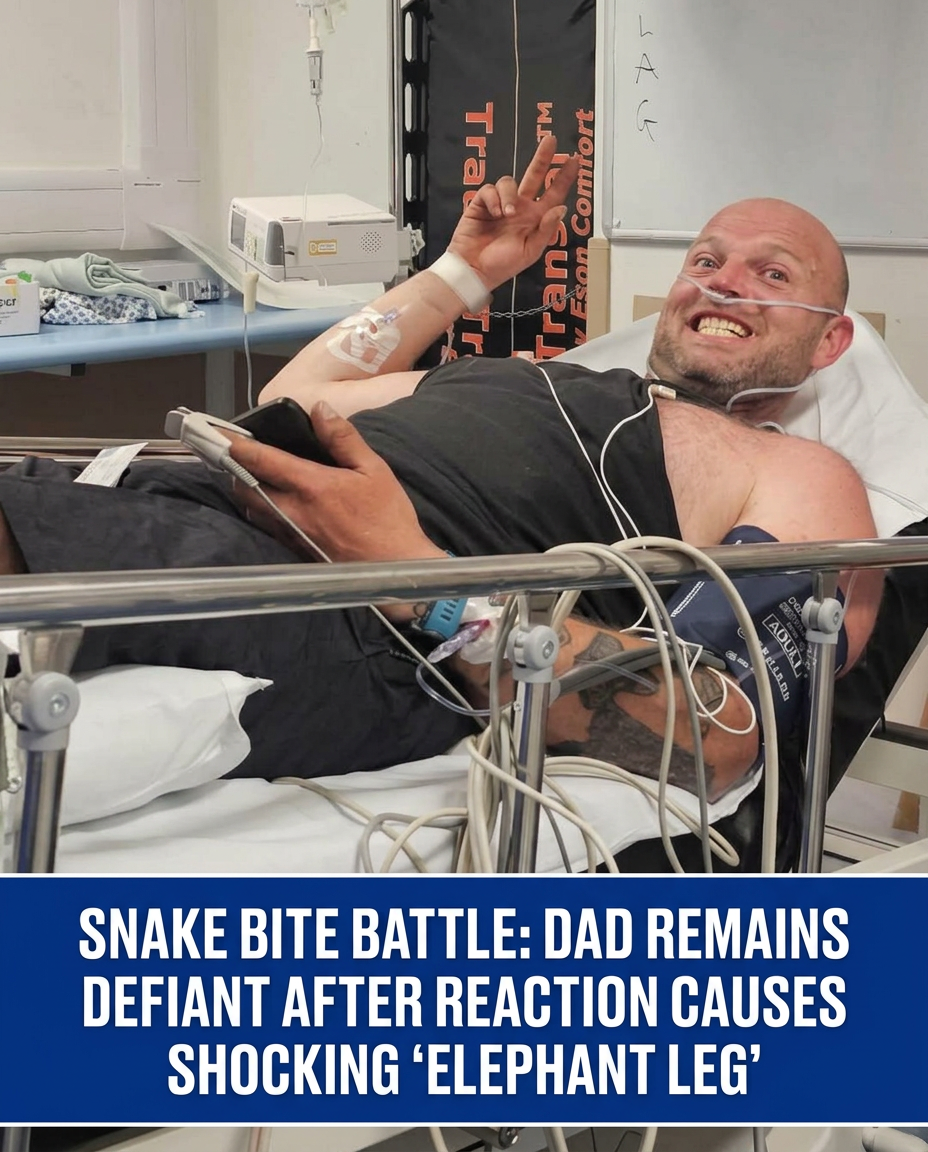
A relaxing paddleboarding trip turned into a medical emergency for a Suffolk man, serving as a stark reminder that even in the quietest corners of the British countryside, nature can bite back.
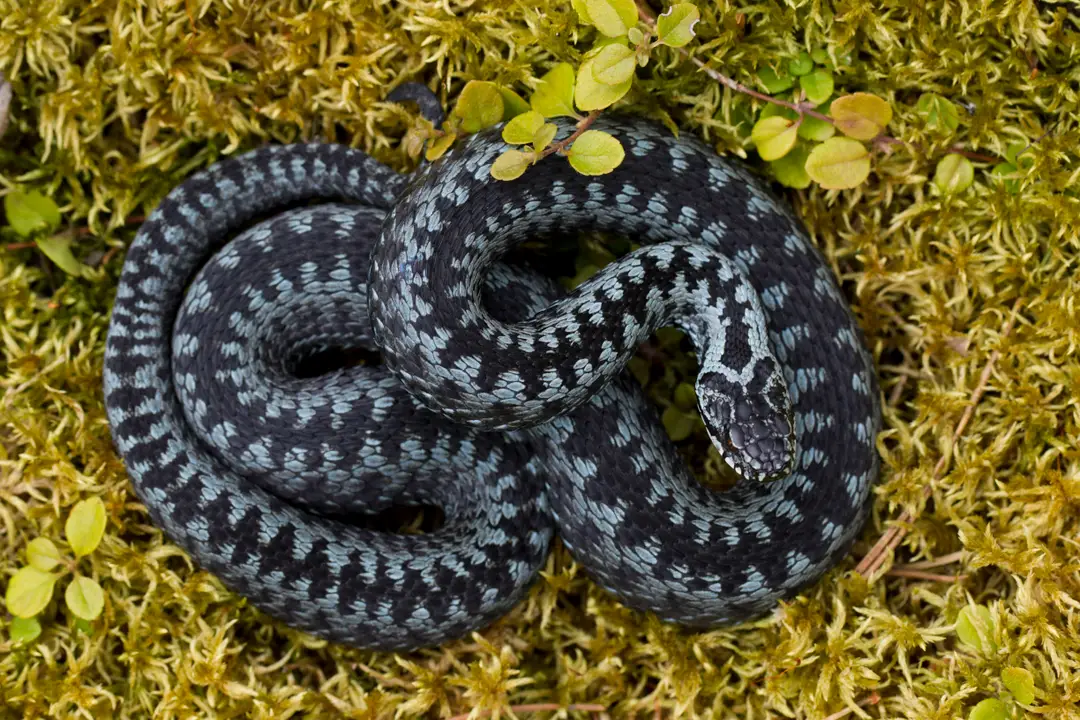
Zak Brown, from St Ives, Cambridgeshire, was enjoying a day at the Cavenham Heath National Nature Reserve last month when he stepped onto the riverbank to take a break. Within seconds, his tranquil afternoon was shattered by a sharp, burning pain in his ankle. He looked down to find a juvenile adder—Britain’s only venomous snake—clamped onto his leg.
A “Unbearable” Encounter
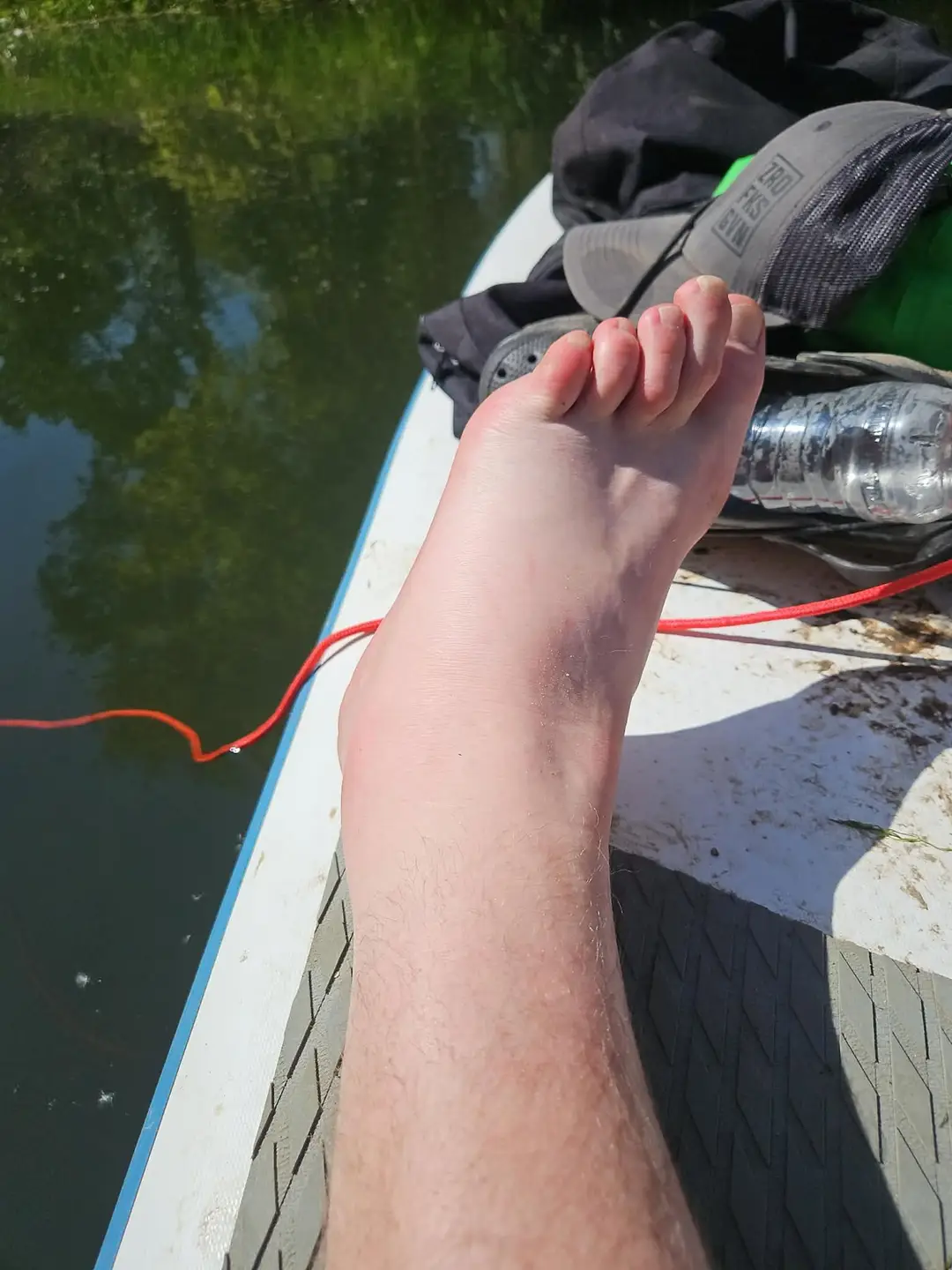
“As I climbed off my paddleboard, I walked up the grass verge and within seconds… I just felt this bang on the back of my left ankle,” Brown told reporters. He quickly realized he wasn’t dealing with a typical woodland scratch. He had been bitten by a snake hanging from his ankle, later identified as a young common European adder.
While Brown was fortunate that the snake was a juvenile rather than a full-grown adult, the reaction was immediate and severe. As he and his friend began the two-hour paddle back to their car, the venom took hold. Within 30 minutes, his foot and calf had swollen so significantly that he could no longer put weight on them, leading to fears he would require an air ambulance.
What We Know
The Incident: Zak Brown was bitten while paddleboarding at Cavenham Heath in Suffolk during May 2026.
The Culprit: A juvenile common European adder, Britain’s only venomous snake species.
The Medical Impact: Brown experienced extreme swelling, requiring urgent hospital treatment and anti-venom.
Species Status: Adders are a protected species under the Wildlife and Countryside Act 1981; killing or harming them is illegal.
Prevalence: There are approximately 100 reported adder bites in the UK annually, with fatalities being extremely rare.
A Warning to Nature Enthusiasts
While encounters like Brown’s are rare, wildlife experts urge the public to remain vigilant. Adders are typically found in heathland, moorland, and along the edges of woodlands. They are notoriously shy and generally prefer to avoid human contact, usually striking only when cornered or threatened.
Distinguishable by a dark zigzag stripe running down their backs, these snakes are currently facing a significant population decline due to habitat loss. As the summer season encourages more hikers, kayakers, and outdoor enthusiasts into these rural areas, the incident serves as a crucial reminder to watch where you step—and to give local wildlife plenty of space.
For Brown, the experience has permanently changed how he interacts with the outdoors. “I’m non-stop cautious of snakes, constantly looking around the grass,” he said, reflecting on his recovery. “I don’t want it to happen again.”