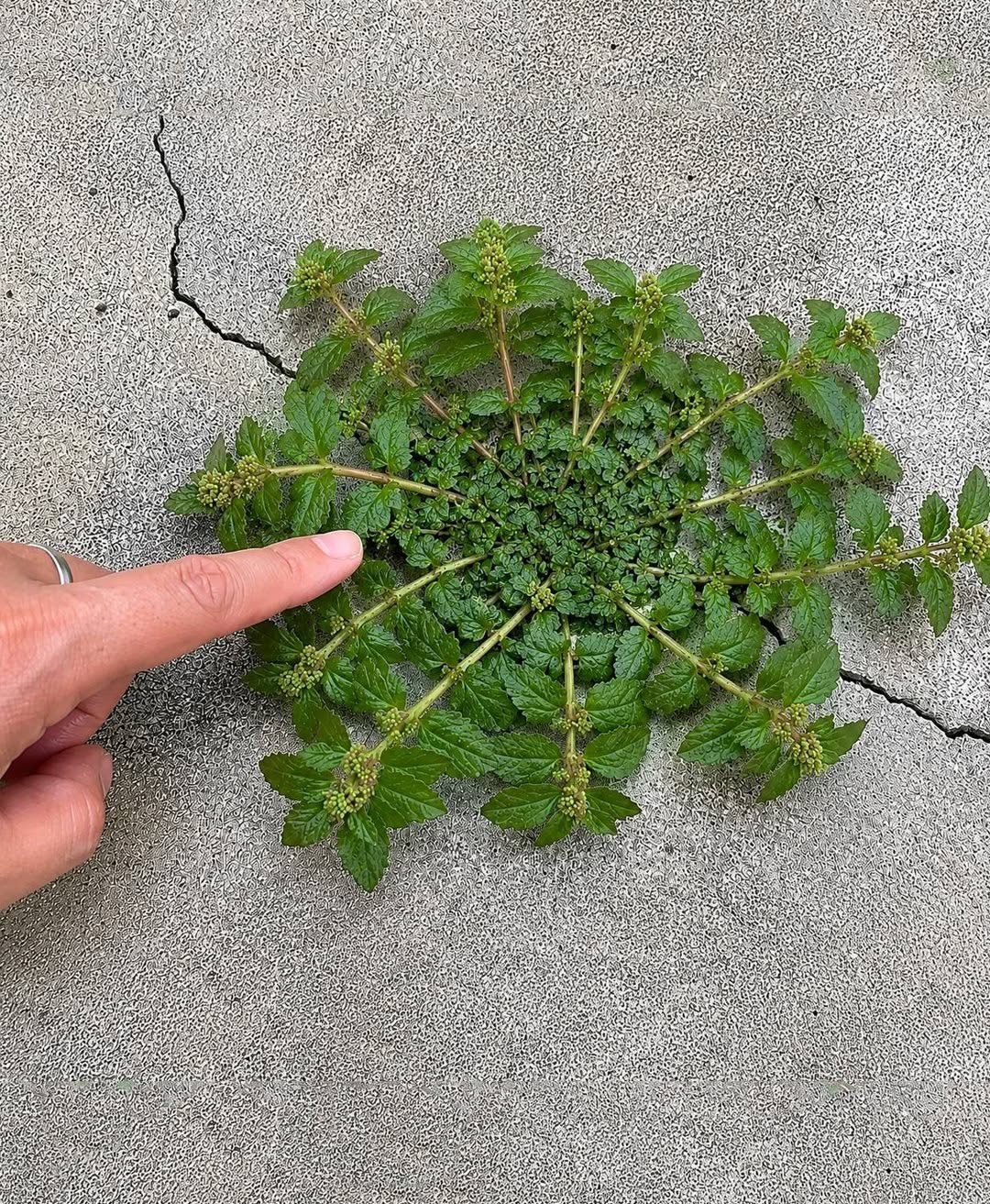
The “indoor jungle” craze of the early 2020s didn’t just fade away—it evolved into a high-stakes, multi-million dollar arena of living art. As we move through 2026, the humble houseplant has transformed into a legitimate luxury asset, with some rare specimens commanding prices that rival high-end tech or designer furniture.
While most people are content with a standard pothos or a sturdy ficus, a dedicated subculture of collectors is spending thousands on plants that offer more than just aesthetics: they offer prestige and, for the lucky few, significant investment potential.
The New Status Symbols
In the current market, collectors are moving away from the common “Instagram-famous” plants of the past. Instead, the focus has shifted toward rare, sculptural varieties that serve as centerpieces in high-end home design. According to recent industry reporting, the Philodendron Spiritus Sancti remains the undisputed “Holy Grail” for enthusiasts. Mature, stable specimens—those not mass-produced in labs—can still fetch between $900 and $5,600.
The value isn’t just about the plant itself; it’s about the genetic stability. For the highly coveted variegated Monstera Albo, buyers pay a massive premium for “fully rooted” plants with stable “half-moon” variegation. If the white patterns aren’t stable, the plant can “revert” to plain green, effectively vaporizing its premium value.
What We Know
Market Maturity: The “plant mania” of the pandemic era has stabilized into a serious collector’s market, favoring quality and rarity over rapid growth.
Valuation Factors: Price is driven by the stability of variegation, the health of the growth point (node), and the plant’s provenance.
Design Shift: 2026 trends emphasize “sculptural” plants that fit into modern, minimalist, or high-humidity interior spaces.
Investment Reality: Unlike common nursery stock, these specimen-grade plants require specialized lighting, humidity, and expert care to maintain their market-leading value.
Why This Matters
For the average consumer, these prices might seem like a botanical bubble. However, they reflect a broader cultural shift where “nature” is being treated as an interior design essential. As homes become more curated, the demand for “statement” greenery has turned plant collecting into a status competition.
Beyond the aesthetic, there is an economic reality at play. As collectors treat these living items as assets, they are investing in high-end LED grow lights and climate-controlled environments to protect their “green capital.” Whether you view them as beautiful additions to a home or speculative financial bets, one thing is clear: the era of the $10 supermarket plant is being challenged by a world where your windowsill might just be the most expensive piece of decor in your house.
The market shows no signs of wilting. As long as there are collectors chasing the next “Holy Grail” leaf, the prices for these botanical marvels are likely to remain firmly in the green.